Where to start
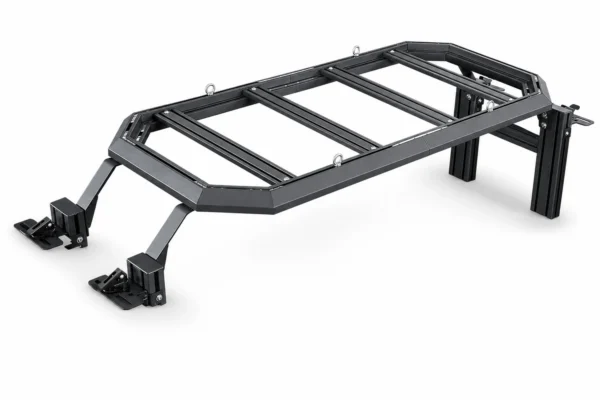
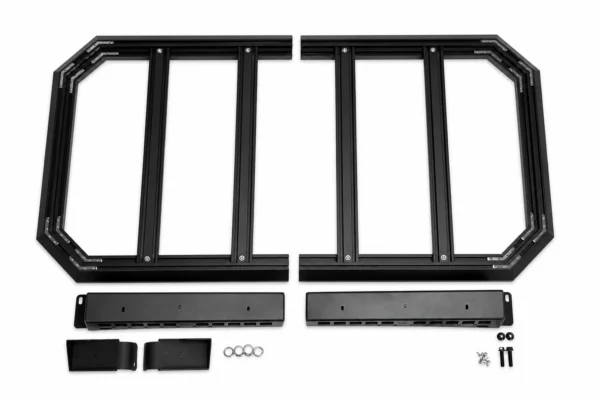
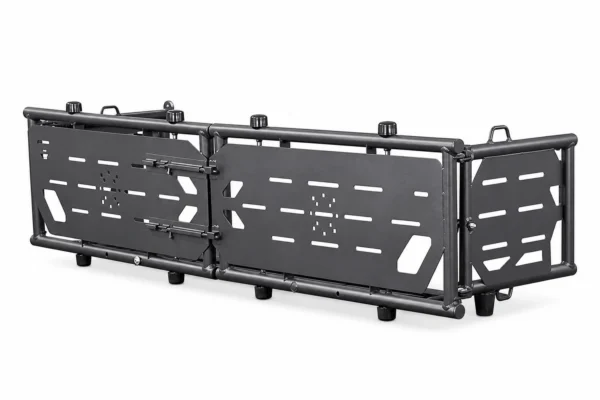
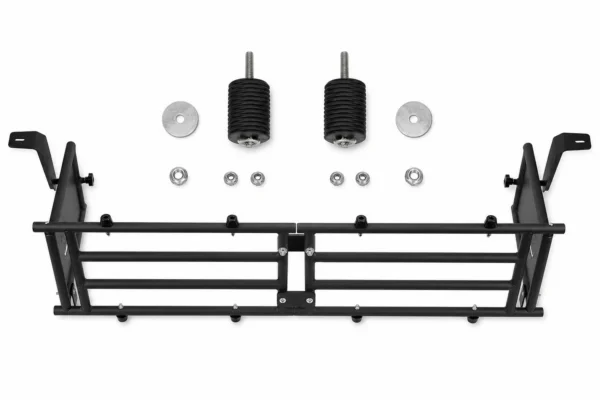
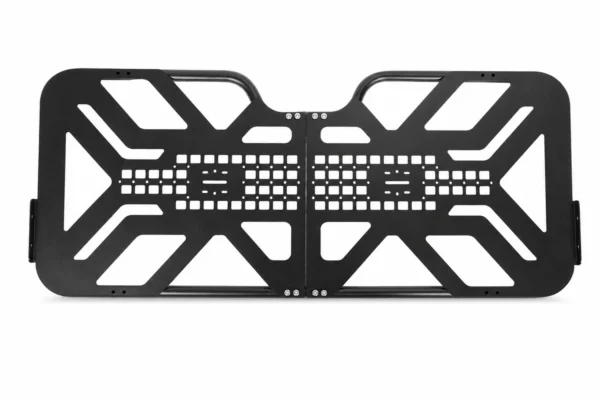
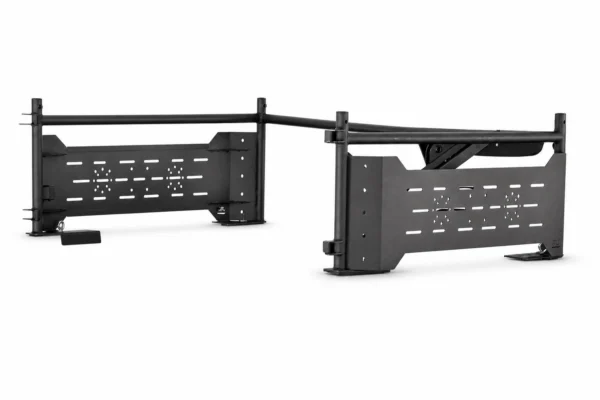
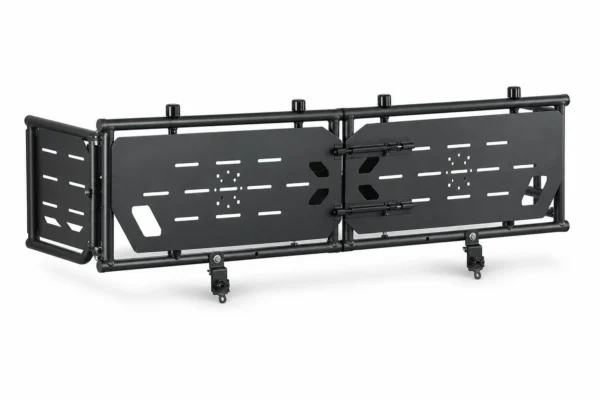
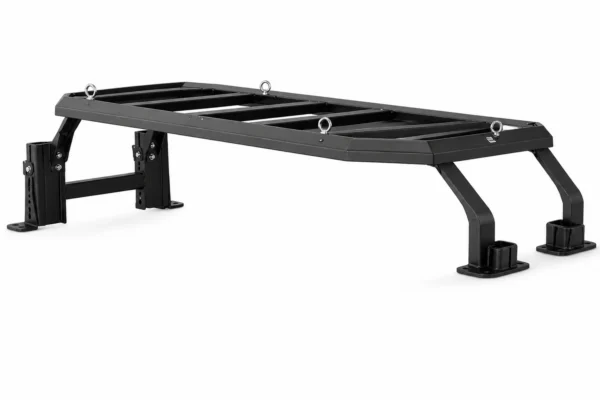
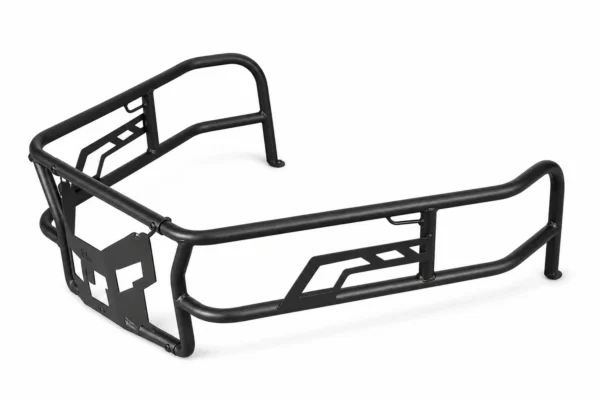
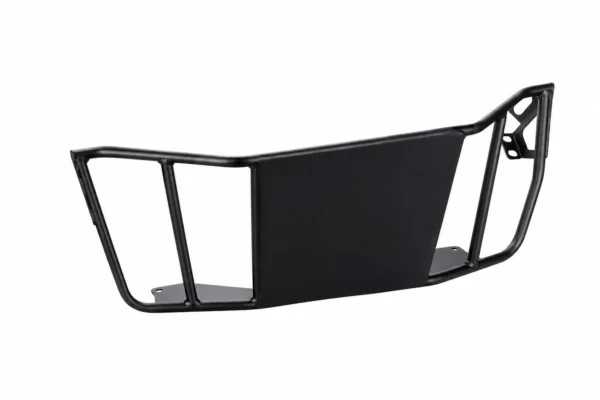
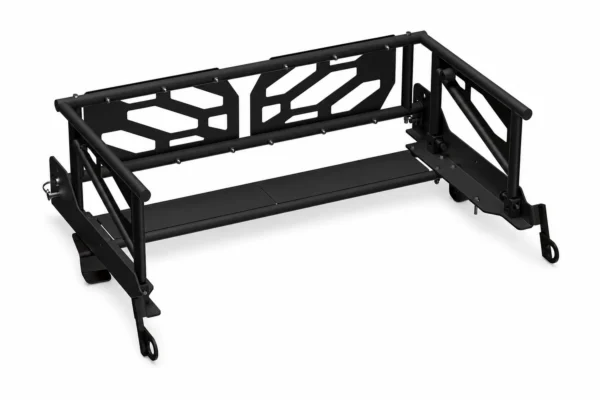
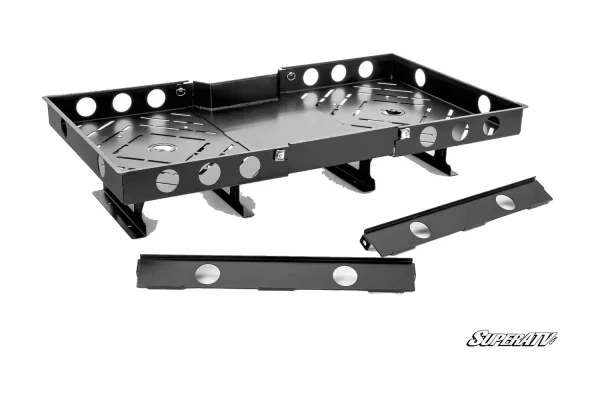
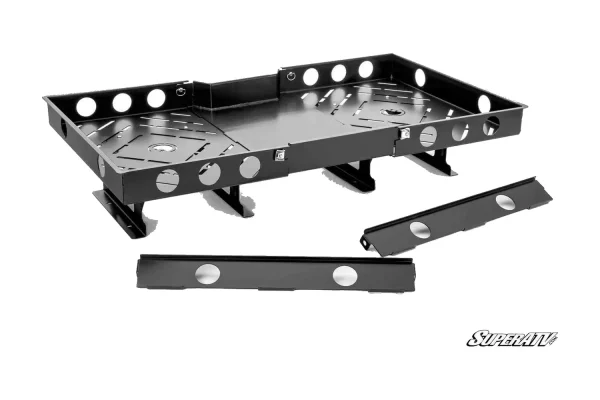
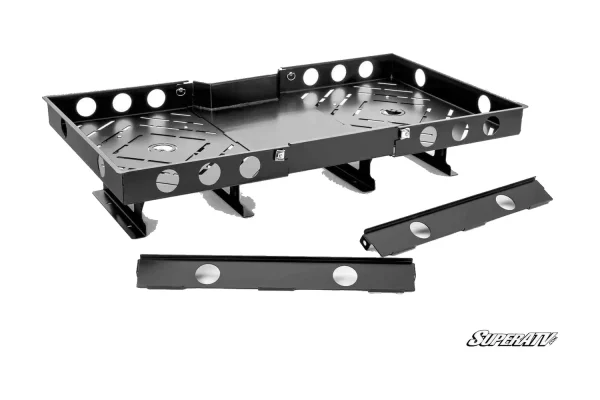
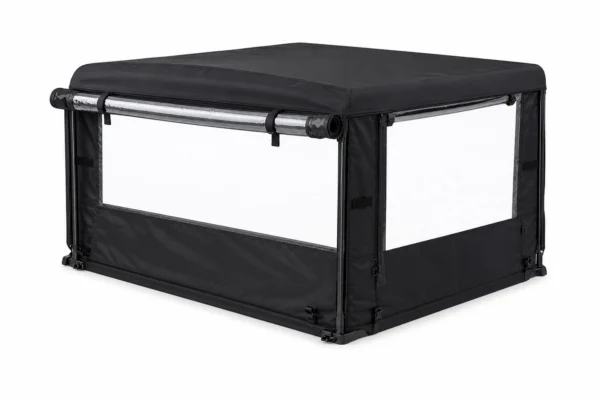
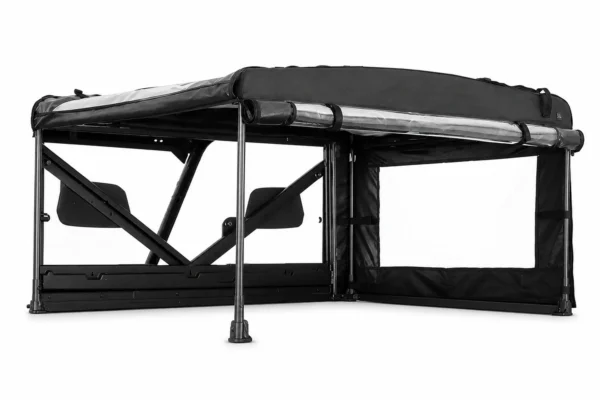
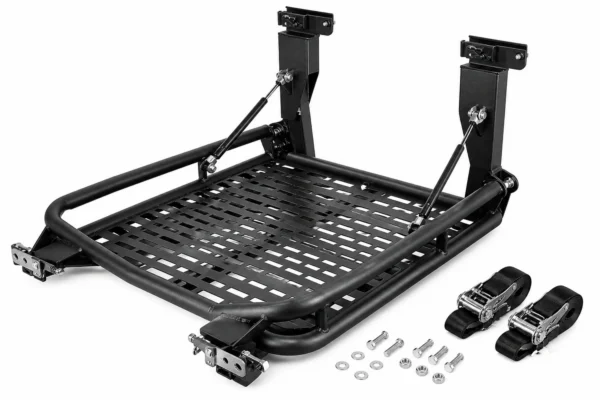
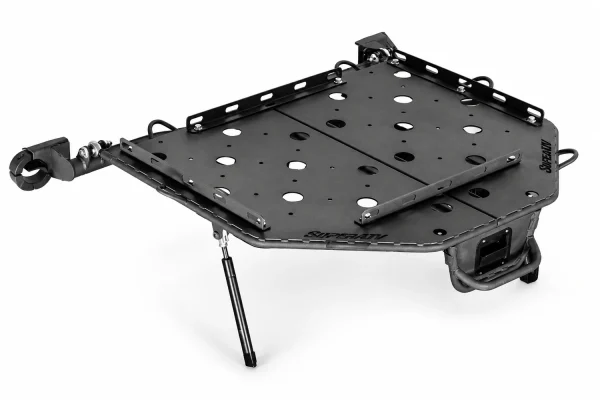
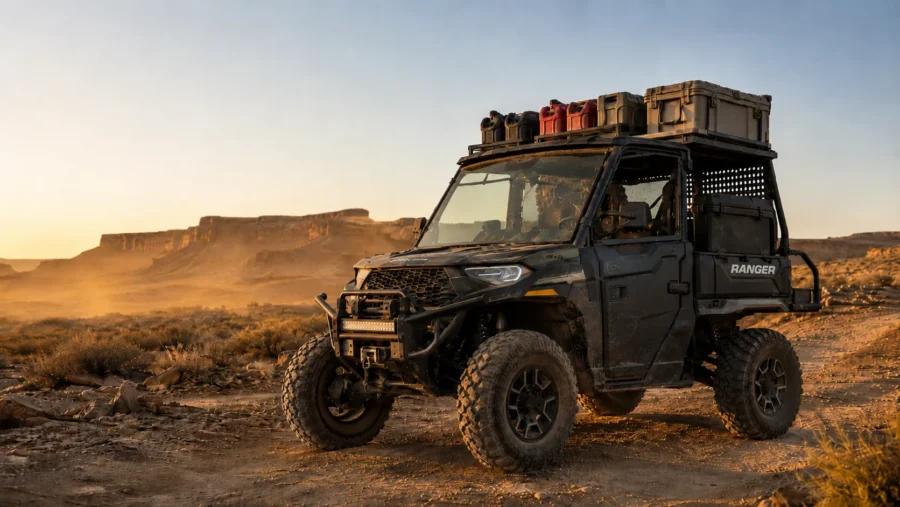
Cargo racks. Several kinds of part live here. Bed racks add a raised or tiered platform inside the bed: the Adjustable Aluminum Rear Rack for Polaris Ranger layers the bed so you can reach the bottom item without unloading the top, holds 220 lbs, and installs in factory holes. Bed extenders and tailgates add length behind the bed or close off an open one; the Ranger XP 1000, Defender, UForce, Pioneer, ZForce, Maverick X3, and Teryx KRX all have one. A roof rack for the two seat Ranger XP 1000 turns the roof into around 220 lbs of capacity. And camper bed covers for the Ranger and Defender put a steel frame and 600D fabric shelter with roll-up windows over the bed. Tusk adds MOLLE panels, a quick release box, a bed box, and a bed rack for the KRX. SuperATV adds Alpha cargo racks for the Polaris RZR, the Can-Am Maverick X3 and Maverick R, the Honda Talon 1000, and the Kawasaki Teryx KRX 1000, which prop open on struts for access to the cargo area, and every Alpha rack except the RZR Trail models is listed as doubling as a spare tire carrier. SuperATV also adds rear seat cargo racks for four seat RZRs, and Delta and Outfitter bed racks, Bravo and Charlie hood racks, and headache racks for the Polaris Ranger.
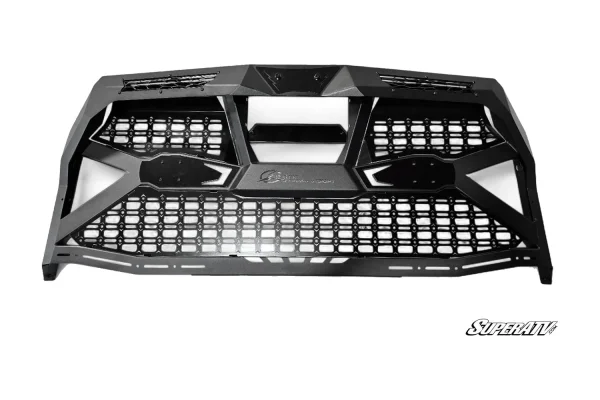
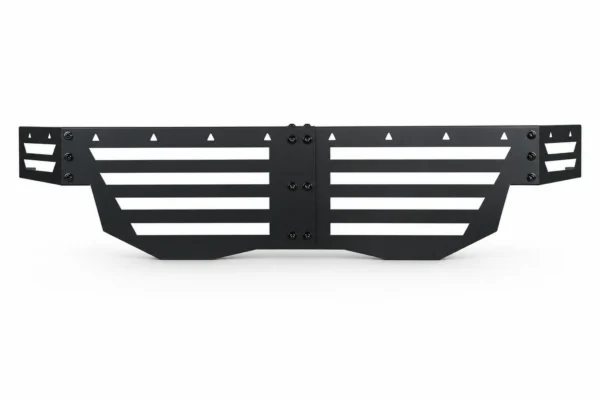
Headache racks. The Headache Rack Assembly for Can-Am Defender is a steel rack that shields the cab and rear windshield from shifting cargo, has a built-in MOLLE panel, needs no drilling, and clears the doors and rear glass. Headache racks for the Polaris Ranger are filed under cargo racks: the SuperATV Headache Cargo Rack for the Ranger XP 570, XP 900, 1000, XP 1000, and XP Kinetic has two positions, for protection or storage, and the Elektric Offroad Headache Rack for the Ranger XD 1500 has integrated MOLLE panels and keeps full bed tilt.
By machine
- Polaris Ranger. Rear bed racks, the roof rack, the camper bed cover, the flip-out tailgate extender, and the Tusk 24L bed box, and SuperATV adds Delta and Outfitter bed racks, Bravo and Charlie hood racks, and headache racks. Check the Ranger bed dimensions guide before choosing a rack, and browse the Polaris Ranger hub for everything else.
- Polaris RZR. The XP 1000 spare tire carrier rack that lifts on gas springs, the Tusk MOLLE panel, the Tusk quick release bed box and Overland Cargo Kit for the XP 4, and the Tusk top rack for the Pro and Turbo R. SuperATV adds Alpha cargo racks for the XP 1000, XP Turbo, XP Turbo S, Pro XP, Pro R, Pro S, Turbo R, and Trail models, and rear seat cargo racks for the RZR 4 900, XP 4 1000, XP 4 Turbo, and XP 4 Turbo S. See the Polaris RZR hub.
- Can-Am Defender. The bed extender, the camper bed cover, and the headache rack. The Defender bed dimensions guide has the measurements.
- Can-Am Maverick. A molded HDPE rear luggage rack and a curved rear cargo tailgate for the X3, the Tusk rear seat cargo rack kit for the X3 Max, and the Tusk cargo barricade for the Maverick R. SuperATV adds Alpha cargo racks for the Maverick X3 and Maverick R.
- Everyone else. A height-adjustable rear rack, a bed extender, and a stretch bed cover for the CFMOTO UForce 1000, a rear enclosure tailgate for the ZForce 950, a tailgate and a Tusk bed rack for the Kawasaki KRX 1000, a bed extender for the Honda Pioneer, a Tusk cargo rack for the Polaris Xpedition, and SuperATV Alpha cargo racks for the Kawasaki Teryx KRX 1000 and the Honda Talon 1000.
Rack, extender, or cover
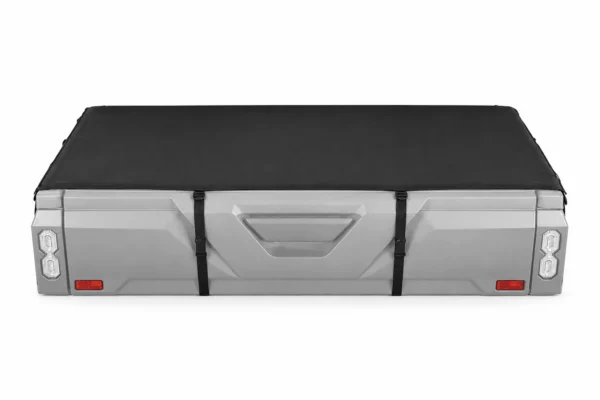
These solve different problems. A bed rack goes up: it stacks gear in layers or lifts a spare and fuel cans above the bed so the floor stays usable. A bed extender goes back: the Defender extender adds 12.2 inches for about 33 percent more room, and the Pioneer extender adds about 105 liters with the rear seats in use. A tailgate or enclosure closes an open bed so coolers and tools stay put, and most add real tie-down points. A camper cover keeps the load dry and turns the bed into shelter, but it only makes sense if weather is the problem. Load ratings are listed as each maker gives them, some in pounds, some in kilograms, and some as separate static and dynamic figures, so read the listing, not the category.
From MaxtOffroad
The Heavy-Duty Bed Extender for Can-Am Defender is the part we keep coming back to in this category. It adds 12.2 inches to the bed for about 33 percent more cargo room, then flips 180 degrees to work as a divider when you want the load sorted instead of stretched. It also has an openable tailgate, double latches, gas can mounting holes, and strap points built in, which is a lot of function in one part.
Frequently asked questions
Is there a headache rack for the Polaris Ranger?
Yes. The SuperATV Headache Cargo Rack covers the Ranger XP 570, XP 900, 1000, XP 1000, and XP Kinetic, and the Elektric Offroad Headache Rack covers the Ranger XD 1500. Both are filed under cargo racks. The Headache Rack Assembly for Can-Am Defender is in the headache racks category.
What is the difference between a cargo rack and a bed extender?
A cargo rack adds a platform or tier above the bed floor, so gear stacks instead of spreading. A bed extender adds length past the tailgate, then usually flips inward to work as a divider. If the load is tall, look at a rack. If it is long, look at an extender.
Do these racks require drilling?
Many say they do not. The Ranger adjustable rack and the UForce rear rack install in factory holes, the camper bed covers and the Defender headache rack say no drilling, and the tailgates and enclosures are bolt-in. The SuperATV Alpha and Outfitter racks attach to the frame with clamps and brackets, and the SuperATV hood racks use OEM mounting points. Some listings do not state it either way, so read the install line.
Which cargo racks fit a Polaris RZR?
The Spare Tire Carrier Rack for Polaris RZR XP 1000, the Tusk Aluminum MOLLE Panel for the XP 1000, the Tusk quick release bed box and Overland Cargo Kit for the XP 4, and the Tusk Top Rack for the Pro and Turbo R, which needs the Tusk Cargo Hatch under it. SuperATV adds Alpha cargo racks for the XP 1000, XP Turbo, XP Turbo S, Pro XP, Pro R, Pro S, Turbo R, and Trail models, and rear seat cargo racks for four seat RZRs. Tusk's roof top rack for the RZR is filed under roofs.